Why a BMW rewards the right week
BMW builds cars around the driver, and on the right roads that is obvious within ten minutes. Steering weight, seating position and balance are all set up for someone who wants to be involved, and a 3 Series on the coastal road to Sounio or through the Peloponnese is the best hour you will have in a rental car. The trade-offs are real and specific to Greece: these cars are wide, most sit on run-flat tyres with no spare wheel, and many are rear-wheel drive. Knowing which one you are getting is the whole point of choosing the exact car.
Range and road-trip reach
The 320d is the reason BMW sold so well in Greece: a diesel that cruises at motorway speed all day and still returns close to 5 litres per 100km. A 3 Series or 5 Series diesel is among the best cars on the platform for Athens to Thessaloniki, quiet and stable enough that the distance stops registering. The 1 Series and X1 are the smaller, more city-friendly end. Check the daily kilometre allowance before a long route, since that limit applies whatever the car can do.
Running costs
The diesels are genuinely economical for the performance, close to 5 litres per 100km on the open road. The costs that catch people out are elsewhere: these cars are wider than a Golf, so Athens parking usually means a paid garage, and the run-flat tyres most of them wear are expensive to replace if one is destroyed by a pothole. Daily prices sit above the platform average, and the petrol models, especially anything with an M badge, use noticeably more fuel than the diesels.
Technology and comfort
iDrive is the best infotainment system to use while actually driving, because the rotary controller falls under your hand and you learn it by feel rather than by looking. The driving position is low and the seats are supportive rather than soft, which suits long distances and suits bad city surfaces less well. Run-flat tyres make the ride firmer than a Mercedes of the same size, and you feel Greek road repairs through them.
Why this brand on Sync
With BMW the specific car matters more than usual, because the badge hides three things that change the week: the drivetrain, the tyres and the width. A 2018 320d and a 2022 X3 xDrive are both "BMW" at a rental counter and nothing alike on a mountain road in February. On Sync the listing is one car with its year, engine, gearbox and the host's own photos. Many hosts can deliver it to an address you choose for a set fee, you pay by card, and no deposit is held unless the car is valued at €85,000 or above.
Models and trims
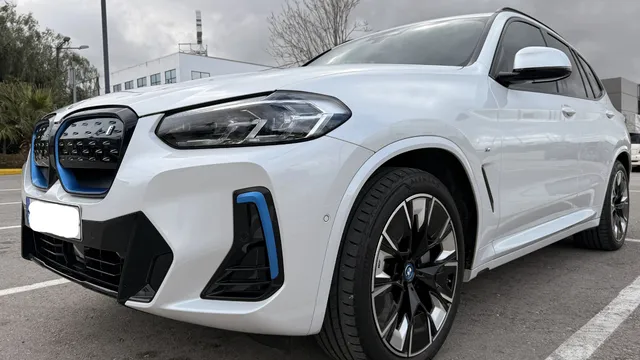
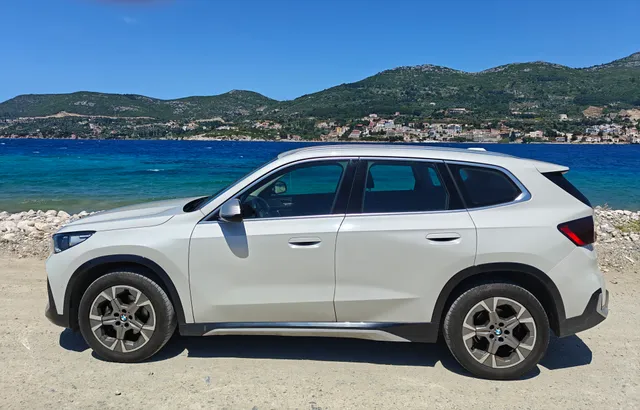
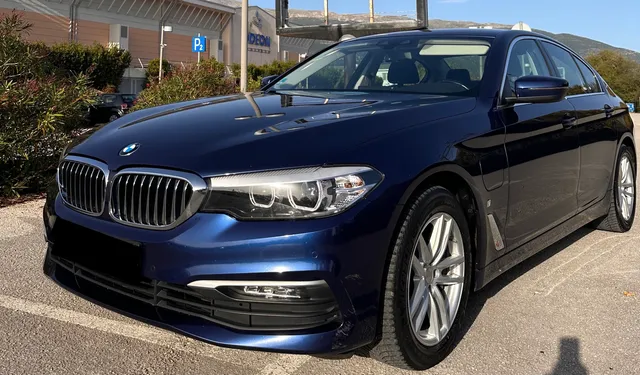
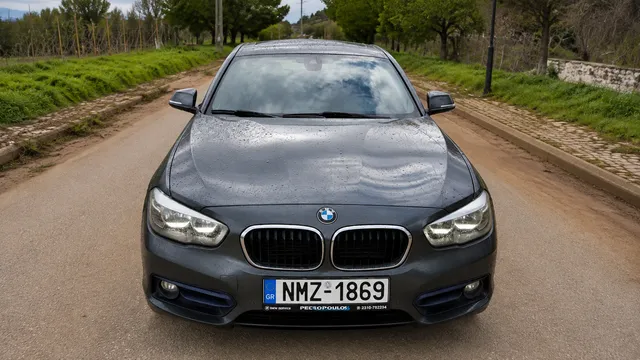
The 1 Series is the small one and the easiest in a city. The 3 Series is the core of the range and the best balance of size, comfort and pace for a Greek week. The 5 Series is the distance car, bigger in every direction. The X1 and X3 are the crossovers, higher and easier to get into, and xDrive versions add all-wheel drive that is worth having in winter. The live list on this page shows what hosts actually have free.
Good to know before you drive
Most BMWs run on run-flat tyres and carry no spare wheel. A puncture is not a roadside stop with a jack: the tyre will get you roughly 80 kilometres at reduced speed to a tyre shop, which is fine on the mainland and worth thinking about on an island in August. If your week includes mountain roads in winter, look for an xDrive model, since a rear-wheel-drive BMW on wet or snowy mountain switchbacks asks more of the driver than a front-wheel-drive car does. And check the width if you are staying somewhere with old narrow streets.